top of page
Tiffany
Interview
interview quetions
1.What is the main focus in the chemistry unit?
2.How will you keep the students safe while working?
3.How do you ensure a positive classroom enviorment?4.How d you handle classroom destruction of conflicts?5.How do you access students understanding and provide constructive feedback?
6.Describe your appoarch to building stong relationships with students, parents, and colleague?
7.How do you handle conflicts or disagreement with students or colleague?
8.How would you handle a situation where a student is struggling understand the chemistry concept?
9.Are there any fun activities that students can be attended in?
10.What inspired you to be a chemistry teacher?

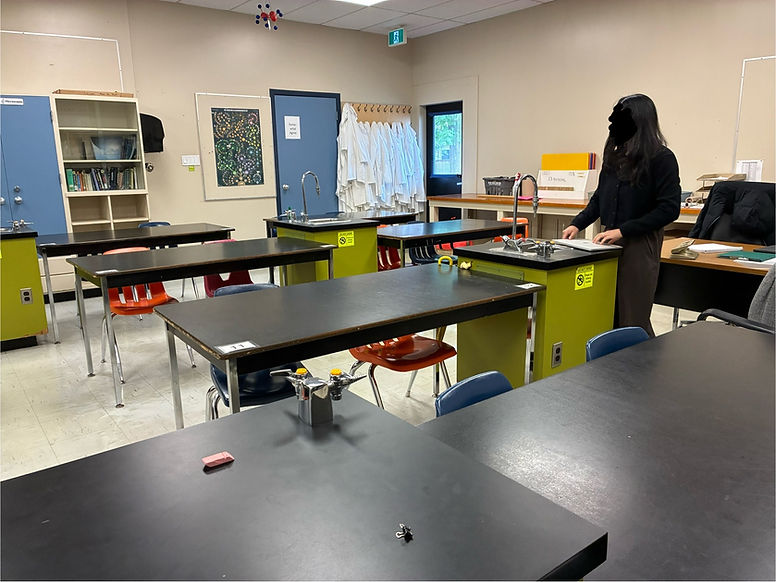
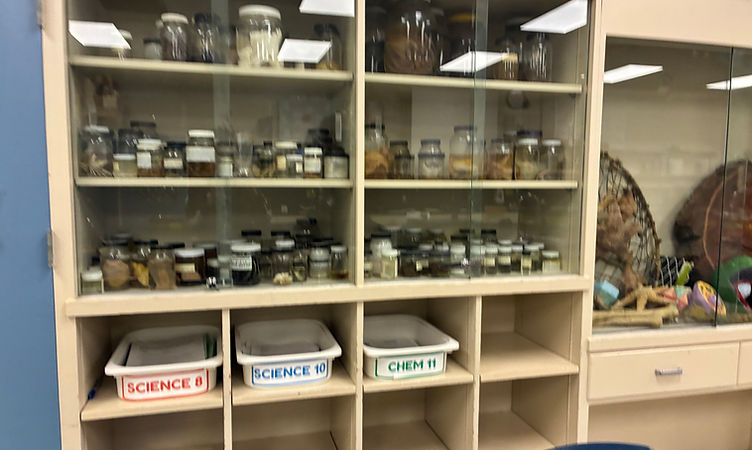
Pictures


Research
Chemistry is the scientific study of matter—its composition, structure, properties, and how it changes during chemical reactions. It explores the fundamental building blocks of the universe, such as atoms, molecules, and compounds, and the energy involved in their interactions
Chmeistry10 learning topic
-DNA is the basis for the diversity of living things.
-Energy change is required as atoms rearrange in chemical processes.
-Energy is conserved, and its transformation can affect living things and the environment.
-The formation of the universe can be explained by the big bang theory.
-
Matter: Anything that has mass and takes up space.
-
Atoms: The basic building blocks of matter and chemical elements.
-
Elements: Substances made of only one type of atom.
-
Molecules: Groups of two or more atoms joined together.
-
Compounds: Substances formed by chemically bonding two or more different elements.
-
Mixtures: Substances made of at least two pure substances that are not chemically bonded and can be separated.
-
Physical Properties: Characteristics of matter that can be observed or measured without changing its chemical composition, like color or state .
-
Chemical Properties: The characteristics of a substance that become apparent when it undergoes a chemical change, like flammability or reactivity.
-
Chemical Reactions: Processes where one or more substances are transformed into one or more different substances.





bottom of page